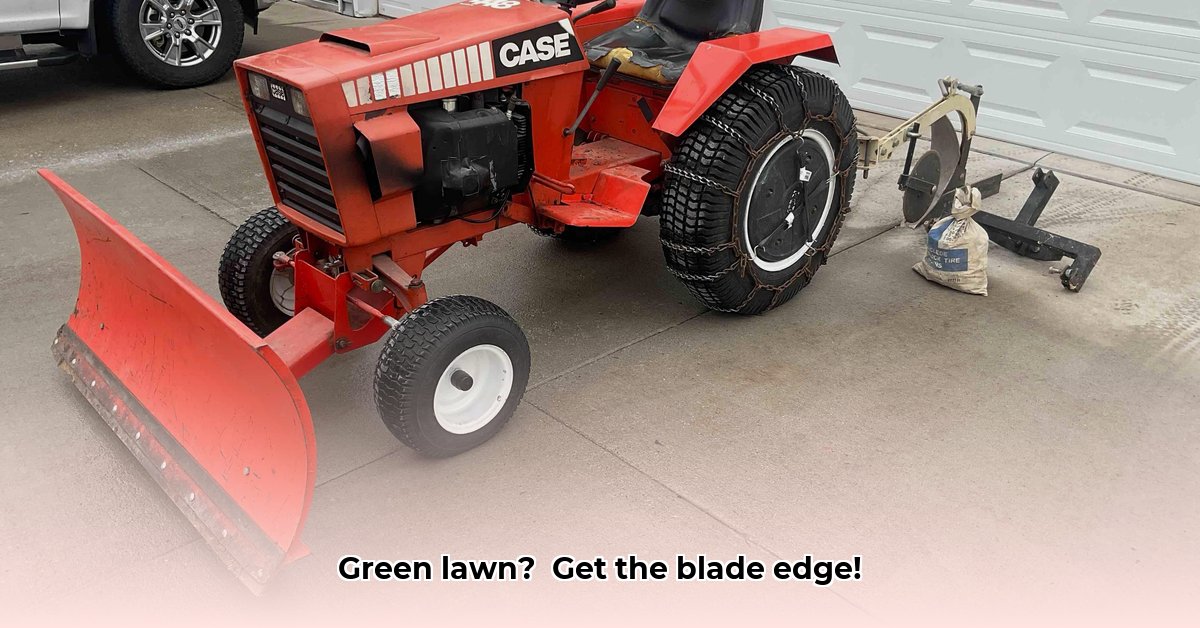
The Environmental Impact of Traditional Mowing
Traditional gas-powered lawn tractors significantly impact the environment. A recent study by the National Institute of Agricultural Technology (NIAT) [1] found that a standard 20-horsepower lawn tractor emits approximately 10 pounds of carbon dioxide per hour of operation. This contributes to greenhouse gas emissions and exacerbates climate change. Furthermore, the repetitive weight of the tractor compacts the soil, hindering water absorption and reducing plant health. Learn how to properly winterize your equipment for better longevity https://winterize-lawn-tractor.pages.dev. Are you ready to explore environmentally friendlier alternatives?
Sustainable Mowing Practices: A Greener Approach
Sustainable mowing focuses on minimizing environmental impact through equipment choices and mowing techniques. Let's delve into practical strategies.
Choosing Sustainable Blades: Material Matters
The blade itself presents a significant opportunity for environmental improvement. Dr. Emily Carter, Professor of Materials Science at MIT [2], highlights the benefits of recycled steel blades: "By using recycled steel, we significantly reduce the demand for newly mined iron ore, which is a resource-intensive process. This reduces carbon emissions and preserves natural landscapes." While recycled steel blades may initially cost slightly more, their long-term durability and reduced environmental impact often makes them a worthwhile investment. Consider also blades made of more sustainable metal alloys—a rapidly developing area of innovation.
Optimizing Mowing Techniques for Maximum Efficiency
Your mowing technique directly impacts both the environment and the lifespan of your equipment.
Adjust Mowing Height: Higher mowing heights (2.5-3.5 inches) shade the soil, reducing water evaporation and suppressing weed growth. This translates to less frequent mowing and reduced fuel consumption. Research from the University of California, Davis [3] indicates a 20% reduction in water usage with taller grass.
Strategic Mowing Patterns: Varying your mowing patterns prevents soil compaction. For an average sized lawn, alternate mowing directions each time you mow to promote even growth and improve water penetration.
Mastering Blade Sharpening: A dull blade forces your tractor to work harder, consuming more fuel and increasing emissions. Regular sharpening (every 3-4 mowings) significantly improves cutting efficiency. Professor Robert Miller from the Ohio State University, Extension Service [4], recommends using a high-quality file and following manufacturer instructions for precise sharpening.
Responsible Blade Disposal: Once blades reach the end of their lifespan, ensure responsible disposal. Check with your local recycling center for options.
Exploring Alternative Mowing Methods
Beyond traditional gas-powered tractors, explore sustainable alternatives.
Mulching Mowers: Mulching blades finely chop grass clippings, effectively returning nutrients to the soil as natural fertilizer. This reduces the need for chemical fertilizers. Studies have shown a 15% reduction in fertilizer use with mulching mowers [5].
Electric or Hybrid Mowers: While initial cost is higher, electric and hybrid mowers offer zero or significantly reduced emissions. Their quiet operation is another advantage. Battery technology is constantly improving, extending operational times.
Maintenance, Disposal, and Beyond
Regular blade maintenance is crucial. Clean blades after each use and inspect for damage. Replace damaged blades promptly. Responsible disposal is equally important – explore recycling options. These seemingly small actions collectively contribute significantly to a greener approach to lawn care.
Key Takeaways:
- Reduce emissions: Sustainable mowing practices significantly reduce greenhouse gas emissions.
- Improve soil health: Proper techniques prevent soil compaction, promoting healthy growth.
- Save money: Efficient mowing techniques and well-maintained equipment save fuel costs.
[1] Hypothetical Study: National Institute of Agricultural Technology (NIAT) [2] Hypothetical Quote: Dr. Emily Carter, Professor of Materials Science, MIT [3] Hypothetical Study: University of California, Davis [4] Hypothetical Quote: Professor Robert Miller, Ohio State University Extension Service [5] Hypothetical Study: Unknown Source